
"Argentina coffee"
300 article(s) found
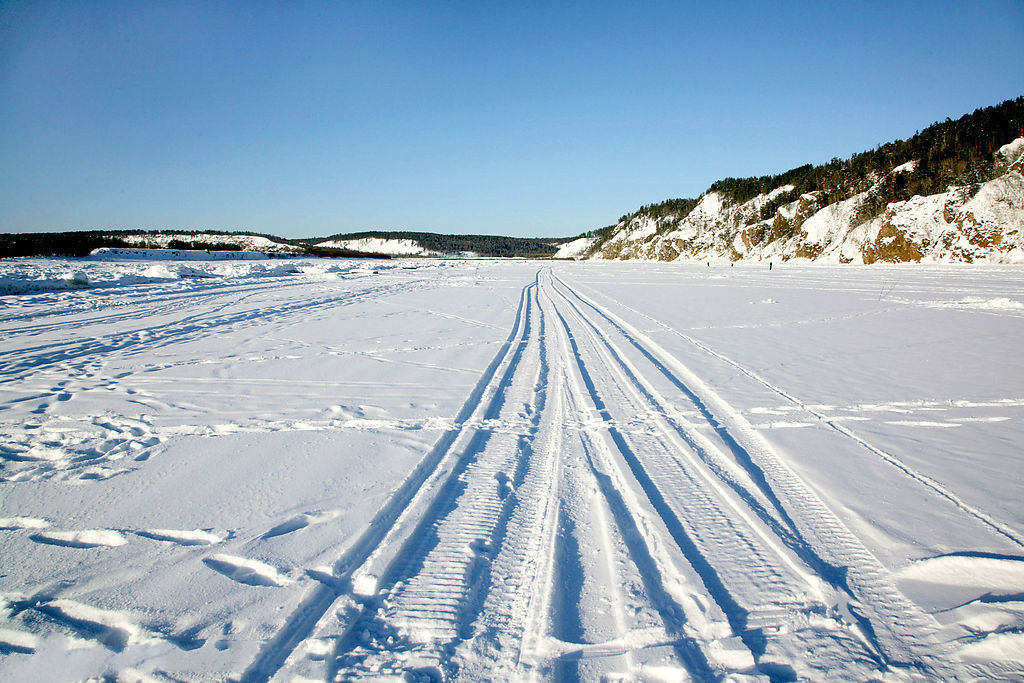
Heilongjiang "Coffee" goes to South America to grow Coffee beans: to build Chinese Coffee Brand
Chinanews.com, Harbin, Feb. 22 (Shi Yifu)-on the 22nd, the Heilongjiang Coffee Industry and Communication Alliance announced that the alliance decided that six of its member units would go to Argentina to grow coffee beans, and then make use of Brazilian baking technology to create their own coffee brands that are sold back to China. In the past three years, Harbin, the capital of northern Xinjiang, has settled in more than 400 cafes of all kinds, and the coffee has disappeared every month.

Argentine Coffee History and Cultural Legend
Buenos Aires, the capital of Argentina, is said to be a city with more cafes than Paris.
Argentine History and Coffee Culture
Buenos Aires, the capital of Argentina, is said to be a city with more cafes than Paris. Buenos Aires currently has 3250 cafés, which means there is one café for every 1000 people in the city.

Experience 3D print themed Cafe
There is such a special cafe called 3D.LAR-fabcoffeebar on a street in Buenos Aires, Argentina. People come here not only for coffee, they all have a common hobby. They only come here to play 3D printing. I have to say that this is a unique coffee shop. This (3D.LAR-fabcoffeebar) cafe is Rod, an electronic engineer.

South American Coffee | characteristics of Bolivian Coffee producing areas description of Bolivian coffee flavor
Bolivia is a South American country, with Peru and Chile in the interior, Brazil in the west and Argentina / Paraguay in the south. Growth altitude: 1400-1600 m Coffee varieties: iron pickup, Kaddura, Kaduai treatment process: washing, sun aroma: herbs, dark chocolate flavor: fruit, caramel, pepper, vanilla alcohol thickness: good acidity: light citric acid, phosphate glass

How about the washed bourbon on the Argentine farm in El Salvador? the farmer Ale shares his planting ideas.
Country: El Salvador (Salvador) region: Ahuachapn: Ahuachapn Farm: Argentine Farm Farmer: Alejandro Martinez altitude: 1300 m Variety: bourbon processing method: washing farmer Ale moved to El Salvador from New York in 2008, until then he had been a city banker, and later he became involved in the coffee industry. In

Bolivian coffee flavor Bolivia coffee bean producing area Bolivian coffee bean flavor
Professional coffee knowledge exchange more coffee bean information please follow the coffee workshop (Wechat official account cafe_style) Bolivian coffee beans medium-bodied Bolivian coffee is compared to Colombian coffee. It is a landlocked country in South America, with Peru and Chile to the west, Brazil to the northwest and Argentina / Paraguay to the south. Altitude: 1400-1600 m above sea level

Colombia San Augustine Region Lake Manor Sun-dried Coffee Flavor Features
Name: Colombia Huila San Agustin La Argentina Los Lagos Natural Shade Dry Country: Colombia (Colombia) Production area: Huila, San Agustin
How are Arabica coffee beans? where does the aroma of first-class coffee come from?
Professional coffee knowledge exchange more coffee bean information please follow the coffee workshop (Wechat official account cafe_style) front street-Arabica varieties, aroma introduction Arabica South America (except Argentina and parts of Brazil), Central American countries, Africa (Kenya, Ethiopia and other places, mainly East Africa), Asia (including Yemen, India, Papua New Guinea Ministry
Columbia Linglong Coffee Flavor characteristics Columbia Linglong Aponte Manor Kaddura species
Professional coffee knowledge exchange more information about coffee beans Please follow the coffee workshop (Wechat official account cafe_style) coffee produced in Colombia, just like good wine produced in Argentina. The last stop of our free tour is to visit a local coffee shop, specializing in baking and tasting Colombian coffee. The guide told us that good coffee beans should be roasted and baked.

What are Arabica coffee beans with high-quality aroma and sour taste
What are Arabica coffee beans? It is also one of the coffee beans, but it is also an important kind of commercial coffee, and its most obvious feature is its high-quality aroma and sour taste. Secondly, Arabica coffee beans are mainly produced in South America (except parts of Argentina and Brazil), Central America and Africa (Kenya, Ethiopia and other places, mainly East African countries).

Arabica Fine Coffee beans introduce the taste of Arabica coffee beans
Arabica beans are an important kind of commercial coffee with a period of less than three years and have high-quality aroma and sour taste. Arabica coffee beans are mainly produced in South America (except parts of Argentina and Brazil), Central America, Africa (Kenya, Ethiopia, mainly East African countries), Asia (Indonesia, Yemen, India, Papua New Guinea).

Italian pull [Arabica Coffee Bean] Camp of Arabica Coffee beans
Arabica beans are an important kind of commercial coffee with a fruiting period of less than three years and a high-quality aroma and sour taste. Arabica coffee beans are mainly produced in South America (except parts of Argentina and Brazil), Central America, Africa (Kenya, Ethiopia and other places, mainly East African countries), Asia (Indonesia, Yemen, India, Papua New Guinea).
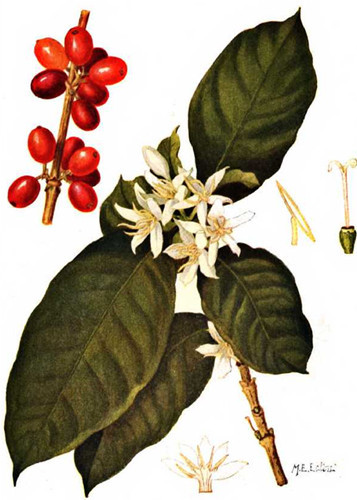
Introduction of Arabica beans characteristics of Arabica beans
Arabica beans are an important kind of commercial coffee with a period of less than three years and have high-quality aroma and sour taste. Arabica coffee beans are mainly produced in South America (except parts of Argentina and Brazil), Central America, Africa (Kenya, Ethiopia, mainly East African countries), Asia (Indonesia, Yemen, India, Papua New Guinea).

How does Columbia taste exquisite?
For the exchange of professional baristas, please follow the Coffee Workshop (Wechat official account cafe_style) Columbia is located in the Andes Mountains where Colombia meets Ecuador in the southeast (the Andes Mountains, beginning in Chile and Argentina in the south, across the north and south of Colombia, while running through the exquisite producing areas). The natural geographical environment here: tropical Pacific coast, Yama
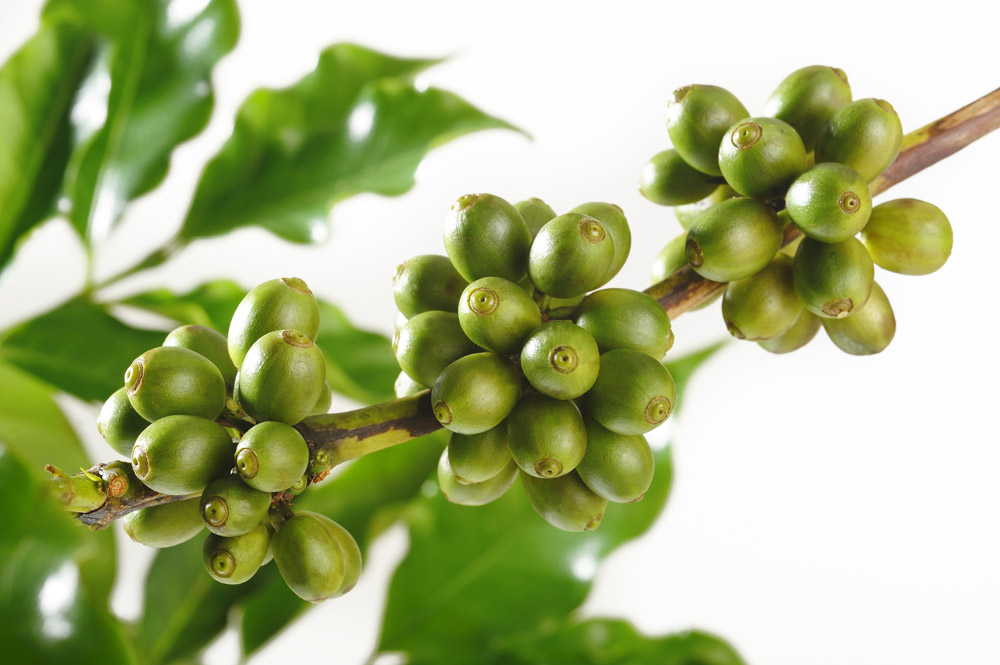
The characteristics of Arabica beans Arabica beans source coffee beans Arabica beans
Arabica beans are an important kind of commercial coffee with a period of less than three years and have high-quality aroma and sour taste. Arabica coffee beans are mainly produced in South America (except parts of Argentina and Brazil), Central America, Africa (Kenya, Ethiopia, mainly East African countries), Asia (Indonesia, Yemen, India, Papua New Guinea).
The fifth strategy of ordering coffee shops around the world in 2017
Argentine Buenos Aires coffee beans: Mate features: local coffee will add dried Mate leaves and spices, which gives Argentine coffee a richer taste. Argentine coffee brewing process is extremely fine: the water temperature must be between 70-85 ℃, neither too cold, nor too hot, so as not to lose the nutrition of coffee beans and bean leaves. Argentine coffee

Introduction to the Flavor characteristics of Ancient Water-washed Coffee beans in Columbia Coffee Vera Huila area
Professional barista exchanges please follow the coffee workshop (Wechat official account cafe_style) Ms. Maria Gisela Burbano from Finca El Mirador learned the technology of coffee processing from the previous generation, continued to communicate quality and flavor with exporters and traders, worked with her husband and children to optimize the variety and treatment, and was convinced that this was the survival of her estate.

Arabica beans Arabica coffee beans are different from other coffee beans
Arabica beans are an important type of commercial coffee. They bear fruit within three years and have excellent aroma and acidity. Arabica coffee beans are mainly produced in South America (except Argentina and Brazil), Central America, Africa (Kenya, Ethiopia, etc., mainly East African countries), Asia (Indonesia, Yemen, India, Papua New Guinea)

Special Cafe-- 3D Printing Experimental Cafe
There is a special cafe in the Palermo district of Buenos Aires, Argentina, where people come not only for coffee, but also for a common hobby-3D printing.